
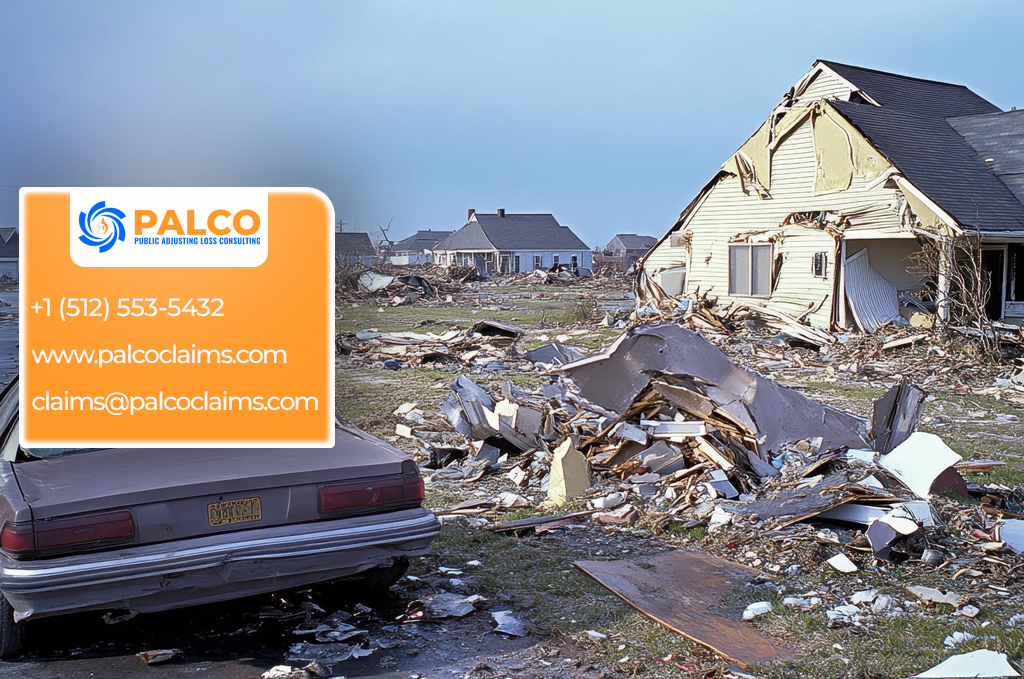
Tornadoes are among the most destructive natural disasters that can impact homes and commercial buildings. Within minutes, powerful winds can tear roofs apart, break windows, destroy HVAC systems, and cause major structural damage. When the storm ends, property owners are often left dealing with significant losses and a complicated insurance claim process.
Understanding what insurance covers in a tornado damage claim and what it does not cover is extremely important. Many homeowners assume that every type of damage will automatically be paid by insurance, but policies contain limitations and exclusions that can affect your claim.
This guide explains how tornado damage insurance claims work, what types of damage are typically covered, what may be excluded, and how property owners can navigate the claims process more effectively.
Understanding Tornado Damage Insurance Claims
Tornado damage claims are usually filed under property insurance policies such as homeowners insurance or commercial property insurance.
These policies generally cover sudden storm-related damage caused by events like:
- Tornadoes
- Hailstorms
- Windstorms
- Severe weather systems
Because tornadoes often produce multiple types of damage simultaneously, claims may involve several storm-related categories. Many property owners begin by understanding how Tornado Damage Claims in Texas, Oklahoma & Nevada work before filing their claim.
What Insurance Typically Covers After a Tornado
Most standard property insurance policies provide coverage for sudden storm damage caused by tornadoes. However, the exact coverage depends on the policy details and the type of property involved.
1. Structural Damage to the Home or Building
One of the most common tornado-related claims involves structural damage.
Tornado winds can cause:
- roof failure
- broken windows
- collapsed walls
- damaged foundations
- destroyed siding
Insurance policies typically cover repairs to the building structure if the damage was directly caused by the storm.
Because tornadoes frequently produce intense hailstorms as well, property owners often deal with roof damage that falls under Hail Damage Claims in Texas, Oklahoma & Nevada.
2. Roof Damage
Roof damage is one of the most common results of tornado winds.
Tornadoes can:
- lift shingles
- tear off roofing materials
- expose decking
- cause roof collapse
Insurance companies usually cover roof repairs or replacement when the damage was caused by storm winds.
When strong winds contribute to roof damage, the loss may also fall under Wind Damage Claims in Texas, Oklahoma & Nevada.
3. Interior Damage
Once a roof or window is damaged during a tornado, rainwater can quickly enter the home.
Interior damage may include:
- ceiling stains
- damaged drywall
- soaked insulation
- flooring damage
These issues are often addressed through claims related to Water Damage Claims in Texas, Oklahoma & Nevada.
Prompt documentation is important because interior damage can worsen quickly if repairs are delayed.
4. Personal Property Damage
Tornadoes frequently destroy or damage personal belongings.
Insurance may cover items such as:
- furniture
- electronics
- clothing
- appliances
However, coverage may be limited depending on the type of policy and the value of the items.
5. Detached Structures
Detached structures on your property may also be covered.
These may include:
- garages
- sheds
- fences
- outdoor structures
Coverage limits for detached structures are often a percentage of the primary dwelling coverage.
6. Temporary Living Expenses
If your home becomes uninhabitable after a tornado, your insurance policy may provide Additional Living Expense (ALE) coverage.
This may include reimbursement for:
- hotel stays
- temporary housing
- meals
- relocation costs
These benefits help homeowners maintain living arrangements while repairs are completed.
What Insurance May Not Cover in Tornado Damage Claims
Although tornado damage is often covered, certain situations may fall outside the policy coverage.
1. Flood Damage
If tornado-related storms cause flooding, standard homeowners insurance may not cover flood damage.
Flood losses usually require a separate flood insurance policy.
2. Poor Maintenance Issues
Insurance policies generally do not cover damage caused by poor maintenance or long-term neglect.
Examples may include:
- rotted roof decking
- deteriorated siding
- old roofing materials
If the insurance company believes the property was already damaged before the storm, they may deny the claim.
3. Cosmetic Damage
Some policies exclude cosmetic damage that does not affect the functionality of the structure.
This may include:
- minor dents
- small exterior scratches
- superficial marks
However, determining whether damage is cosmetic or functional can sometimes be disputed.
The Tornado Damage Claim Process
After a tornado strikes, filing a claim involves several important steps.
Step 1: Document the Damage
Take clear photos of:
- roof damage
- broken windows
- siding damage
- fallen debris
Documentation helps establish the extent of the storm damage.
Step 2: Prevent Additional Damage
Insurance policies require homeowners to prevent further damage when possible.
Temporary repairs such as tarping the roof or covering broken windows can help protect the property.
Step 3: File Your Insurance Claim
Contact your insurance company and provide:
- the date of the storm
- description of damage
- photographs if available
The insurance company will assign an adjuster to inspect the property.
Step 4: Insurance Inspection
An insurance adjuster will inspect the property and evaluate the damage.
The adjuster will review:
- roof damage
- structural damage
- interior damage
- personal property losses
This inspection helps determine the amount of compensation offered by the insurance company.
Why Some Tornado Damage Claims Are Underpaid
Even when damage is covered, some claims may be underpaid due to several factors.
Common issues include:
- missed damage during inspections
- incorrect repair estimates
- incomplete documentation
- policy interpretation disputes
In these situations, property owners may seek assistance from professionals such as a Public Insurance Adjuster in Texas, Oklahoma & Nevada.
Public adjusters represent policyholders and help ensure claims are properly evaluated.
Tornado Damage Claims in Texas
Texas experiences frequent severe storms that produce tornadoes and damaging winds.
Cities such as Austin, Dallas, and Houston regularly experience tornado-related property damage.
Homeowners in Central Texas sometimes consult professionals such as a Public Adjuster in Austin, Texas to review their claims and ensure the insurance settlement reflects the full extent of the damage.
Tornado Damage Claims in Oklahoma
Oklahoma is one of the most tornado-prone states in the United States.
Cities like Norman, Moore, and Tulsa frequently experience tornado events.
Property owners sometimes seek guidance from a Public Adjuster in Oklahoma when dealing with complex storm damage claims.
Commercial Tornado Damage Claims
Commercial properties often experience larger and more complex tornado claims.
Buildings such as:
- hospitals
- schools
- medical clinics
- libraries
- churches
may require specialized inspections to fully document the damage.
For example, healthcare facilities sometimes work with a Texas Public Adjuster for Hospital to properly evaluate building systems and structural damage.
Tips for Handling Tornado Damage Insurance Claims
Property owners can improve the chances of a successful claim by following these tips.
Document Everything
Take detailed photos and videos immediately after the storm.
Keep All Receipts
Save receipts for temporary repairs and cleanup expenses.
Attend the Inspection
Being present during the adjuster’s inspection ensures that damage is properly discussed.
Understand Your Policy
Knowing what your policy covers helps you ask the right questions during the claims process.
Final Thoughts
Tornado damage claims can be complex because these storms often cause multiple types of property damage at once. While insurance policies usually cover structural damage, roof damage, and personal property losses caused by tornadoes, certain exclusions may apply depending on the policy details.
Understanding what your insurance policy covers and documenting damage carefully after a storm can make a significant difference in the outcome of your claim.
When handled properly, tornado damage insurance claims can help property owners recover from severe weather events and restore their homes and businesses.
New Braunfels, TX
Nevada
Oklahoma