
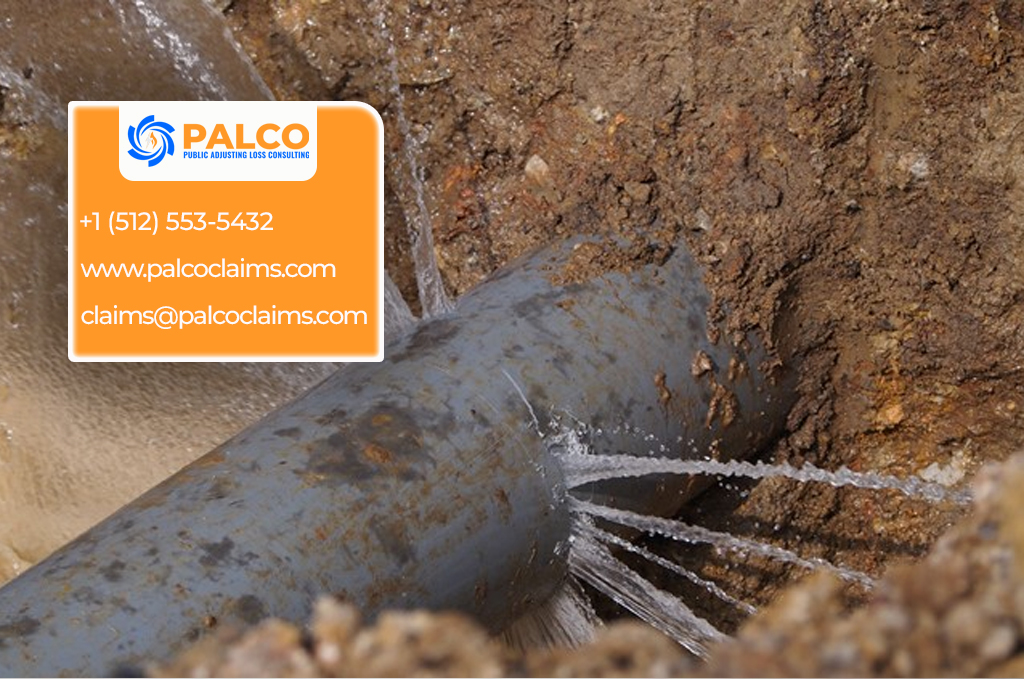
Coming home to a flooded living room is every homeowner’s nightmare. Whether it is a fountain of water spraying from under the kitchen sink or a ceiling that is dripping like a raincloud, the stress is real. When this happens, the first thing on your mind,after turning off the water is likely your burst pipe insurance coverage. You need to know if your policy will pay for the soggy carpets, the ruined drywall, and the plumber’s bill.
According to guidance from major U.S. homeowners‑insurance carriers and consumer‑protection resources, burst pipe insurance is usually treated as a covered peril when the leak is sudden and accidental, not the result of long‑term neglect or poor winter preparation.
In this guide, we will break down how insurance companies look at water damage. Also, we will talk about trusted and authentic public adjuster services providing companies like Palco Claims. So, let’s start unfolding this guide.
What is a Burst Pipe in the Eyes of Insurance?
Insurance companies follow very strict rules when it comes to water in your home. If you want your normal insurance plan to pay for the fix, the mess usually has to be “sudden and accidental.” This means it happened fast and was a total surprise.
Think about it like this: if you have a pipe that has been dripping just a tiny bit for three long years because you never bothered to fix that small leak, the insurance company will likely refuse to pay. They see that as a maintenance job you ignored.
However, if a pipe suddenly breaks into two pieces and floods your entire basement in just ten short minutes, that is the perfect example of when burst pipe insurance will step in to help you. The people at the insurance company want to be sure that the whole situation was a giant accident that you could not have seen coming or stopped ahead of time.
Does Insurance Cover Sudden Water Damage?
Absolutely. Most standard policies cover sudden water damage. This includes things like a washing machine hose snapping or a bathroom pipe bursting in the middle of the night. However, there is a catch. Usually, the insurance company pays to fix the damage caused by the water (like your floors and walls), but they might not pay for the pipe itself.
What is covered:
- Property Damage: Drying out the house, replacing ruined wood floors, and fixing soggy drywall.
- Personal Property: If the water ruins your couch, your TV, or your clothes, these are typically covered.
- Loss of Use: If the water damage is so bad you can’t live in your house while it’s being fixed, insurance may pay for a hotel.
What is NOT covered:
- The Pipe Itself: Surprisingly, many companies consider the broken pipe a “maintenance” issue. You might have to pay the plumber to fix the actual burst, while insurance pays for the mess.
- Gradual Leaks: If the water damage comes from a slow leak that has been growing mold for months, they will likely deny the claim.
Understanding the Frozen Pipe Claim
In places like Texas or Oklahoma, we aren’t always used to deep freezes. When the temperature drops below freezing, the water inside your pipes can turn into ice. Since ice takes up more space than water, it pushes against the metal or plastic until the pipe cracks.
When the ice melts, the water pours out of that crack. Filing a frozen pipe claim can be tricky. Insurance companies will check to see if you “maintained heat” in the house. If you went on vacation, turned the heater completely off, and the pipes froze, they might blame you for the damage.
So, always keep your thermostat set to at least 57°F in winter. For insurance claims, make sure to check our detailed residential claims services to keep your insurance claim option open.
Steps to Take Immediately After a Pipe Bursts
If you find water everywhere, you need to act fast. Following these steps helps ensure your burst pipe insurance claim goes smoothly.
- Shut Off the Water: Find your main water shut-off valve and turn it clockwise. This stops the “fountain.”
- Turn Off Electricity: If water is near outlets or your electrical panel, turn off the power to stay safe.
- Call a Professional: You need a plumber to stop the leak and a water restoration team to start drying the house. Don’t ignore water-damaged lights or electronics, as they can cause fires.
- Take Photos and Videos: Before you start cleaning, document everything. Show where the water started and how high it went.
- Protect Your Stuff: Move dry furniture to a safe area, but don’t throw anything away until an adjuster sees it.
Comparison: Sudden vs. Gradual Damage
Below is the table for understanding what sudden and gradual damage is and the difference between them.
|
Feature |
Sudden Water Damage (Covered) |
Gradual Water Damage (Not Covered) |
|
Speed |
Happens in seconds or minutes. |
Happens over weeks or months. |
|
Visibility |
You notice it immediately. |
Often hidden behind walls or under floors. |
|
Example |
A pipe snaps due to a freeze. |
A tiny pinhole leak drips for a year. |
|
Insurance Status |
Likely approved. |
Often denied as “poor maintenance.” |
Why Insurance Claims Get Denied
It is a sad truth that many homeowners have their homeowners insurance claim denied. Studies and consumer‑education materials from insurance‑industry watchdogs show that many frozen pipe claims are denied when insurers argue the homeowner failed to maintain adequate heat or prepare the home for freezing temperatures, even though the event seemed sudden.
When it comes to burst pipe insurance, the most common reasons for a denial are:
- Lack of Maintenance: The company claims you should have known the pipes were old and rusty.
- Empty Homes: If the house was empty for more than 30 days without you telling the insurance company, they may not cover water damage.
- Sewer Backup: Standard policies often don’t cover water that comes up from the sewer drains unless you bought a special “rider” or “endorsement” for it.
If you feel your claim was unfairly turned down, you don’t have to give up. Click on this link and learn how to fight back and get a second opinion.
How a Public Adjuster Can Help
Dealing with an insurance company is a lot of work. They send their own “adjuster” to look at the damage, but that person works for the insurance company, not for you. This is why many people choose to work with a public insurance adjuster.
What is a Public Adjuster?
A public adjuster is an expert who works only for you, the homeowner. They know how to read the fine print in your policy and how to prove the true cost of your repairs. They handle the phone calls, the paperwork, and the arguments with the insurance company.
Do They Really Help?
Yes! Many studies show that people who hire an expert often receive higher payments because the expert finds damage the insurance company missed. If you are wondering what a public adjuster does, think of them like a lawyer, but for your house repairs.
The Insurance Appraisal Process
Sometimes, you and the insurance company simply can’t agree on how much the repairs should cost. They might offer you $5,000, but your contractor says it will cost $15,000.
In these cases, you might need insurance appraisal services. This is like a mini-courtroom for your house. Both sides pick an expert to look at the facts and decide on a fair number. Understanding the secrets of insurance appraisals can help you go into the process feeling confident.
Final Tips to Prevent a Burst Pipe
While burst pipe insurance is great to have, it’s even better to avoid the mess in the first place.
- Insulate Your Pipes: Use foam sleeves on pipes in your garage or attic.
- Drain Outdoor Hoses: Unhook your garden hoses before the first freeze of the year.
- Install a Smart Leak Detector: These tiny devices sit on the floor and send an alert to your phone the second they feel water.
- Know Your Valve: Make sure everyone in your family knows where the main water shut-off is.
To Summarize
Water damage is a major headache, but you don’t have to face it alone. By understanding your burst pipe insurance and acting quickly to stop the leak, you can save your home from permanent damage. Whether you are dealing with a frozen pipe claim or a different kind of sudden water damage, remember that you have rights as a homeowner.
If the process feels too big for you to handle, or if you feel the insurance company isn’t being fair, don’t wait. Learn how to file a claim with an expert on your side. Protecting your home is worth the extra effort!
Need help with your burst pipe insurance or frozen pipe claim? See what PALCO Claims is known for on Google Reviews and get a free consultation today.
Frequently Asked Questions (FAQ)
Does insurance pay for a plumber to find the leak?
Most policies cover “tear out” and “access.” This means if a plumber has to break through a wall to find the burst pipe, the insurance company will pay to fix the wall, even if they don’t pay for the pipe itself.
Is there a time limit to file a water damage claim?
Yes. Every state and policy is different, but you should usually report the damage as soon as possible. If you wait too long, it might be too late. Learn more about this in our guide when it is too late to hire help.
Will my insurance rates go up if I file a claim?
It is possible. However, water damage is very expensive. Often, the money you get to fix your home is much more than any small increase in your monthly bill.
Does a public adjuster get paid if I don’t get a settlement?
Most public adjusters work on a “contingency fee.” This means they only get a small percentage of the money they win for you. If they don’t win you any money, you usually don’t owe them a fee. You can check if they really increase settlements by looking at their past results.
What is the difference between a flood and a burst pipe?
In insurance, a “flood” usually means water coming from the ground (like a rising river). A “burst pipe” is water coming from inside your plumbing system. These require different types of insurance!