
Introduction
A fire at a commercial property can shut down operations instantly. Beyond physical damage, business owners and property managers must deal with lost revenue, displaced tenants, damaged equipment, and complex insurance requirements. Unlike residential claims, commercial fire damage claims involve larger dollar amounts, stricter documentation, and more complicated policy language.
This guide explains how commercial fire damage claims work, what insurance typically covers, common challenges business owners face, and how to protect your claim from delays or underpayment.
What Is a Commercial Fire Damage Claim?
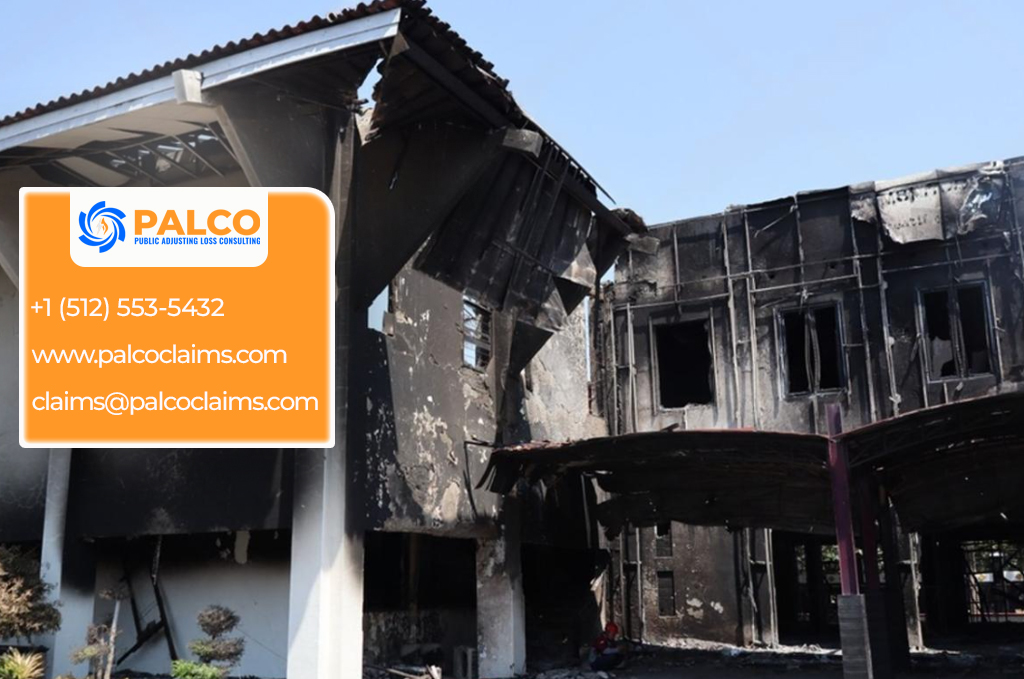
A commercial fire damage claim is an insurance claim filed for losses caused by fire, smoke, soot, or firefighting efforts at a business or income-producing property. These claims apply to offices, retail stores, warehouses, restaurants, apartment complexes, hotels, and industrial facilities.
Commercial fire claims usually involve:
- Structural damage
- Business personal property loss
- Business interruption or loss of income
- Tenant-related complications
- Code upgrade and compliance issues
Because of this complexity, commercial claims are handled very differently from homeowner fire claims.
What Commercial Fire Insurance Typically Covers
Coverage depends on the policy, but most commercial fire insurance includes several key components.
Building and Structural Damage
This covers damage to walls, roofs, electrical systems, plumbing, HVAC, and built-in fixtures. Fire-related smoke and heat damage are usually included, even if flames did not directly affect every area.
Commercial fire losses of this type fall under broader fire damage claims in Texas, Oklahoma, and Nevada, where inspections often reveal hidden damage after initial assessments.
Business Personal Property
Business personal property includes equipment, machinery, inventory, furniture, fixtures, and supplies. Insurance evaluates these items individually, often applying depreciation unless replacement cost coverage applies.
Incomplete inventories are one of the main reasons commercial fire claims are underpaid.
Business Interruption and Loss of Income
One of the most critical coverages in commercial fire claims is business interruption insurance. This coverage compensates for lost income when operations are suspended due to fire damage.
It may also cover:
- Ongoing payroll
- Rent or mortgage obligations
- Temporary relocation expenses
This portion of the claim is heavily scrutinized and requires strong financial documentation.
Extra Expense Coverage
Extra expense coverage pays for costs incurred to reduce downtime, such as temporary facilities, expedited repairs, or alternate suppliers. While closely related to business interruption, it is often misunderstood or underutilized.
Why Commercial Fire Damage Claims Are More Complex
Commercial fire claims involve more stakeholders, higher values, and stricter policy requirements. Common complications include:
- Multiple tenants or lease agreements
- Shared responsibility between owners and tenants
- Equipment valuation disputes
- Code upgrade requirements
- Extended repair timelines
These issues often require multiple inspections and revised estimates, increasing the risk of delays or underpayment.
The Importance of Proper Documentation
Insurance companies rely on documentation, not assumptions. For commercial properties, documentation must be detailed and organized.
This includes:
- Photos and videos of damage
- Itemized inventories of business property
- Repair estimates
- Financial records showing income loss
Proper documentation practices are outlined in how to document fire damage for insurance, and skipping this step can significantly weaken a commercial claim.
Common Mistakes Business Owners Make After a Fire
Many commercial fire claims are compromised by early mistakes, such as:
- Cleaning up before documentation
- Underreporting smoke and soot damage
- Accepting initial payments as final
- Failing to track income loss accurately
These errors often result in settlements that fall well below the true cost of recovery.
Smoke, Soot, and Secondary Damage in Commercial Properties
Smoke and soot damage in commercial buildings can be extensive, affecting:
- Ventilation systems
- Electrical panels
- Machinery
- Inventory
Insurance companies may attempt to treat this damage as cosmetic or recommend cleaning instead of replacement. However, soot is acidic and can cause long-term corrosion and equipment failure if not properly addressed.
Fire Policy Limits and Underinsurance Risks
Many businesses discover after a fire that their policy limits are too low. Rising construction costs, equipment values, and updated building codes can push repair costs far beyond policy limits.
Understanding how limits apply is essential, especially in high-value losses discussed in fire damage claim maximum payout.
Claim Disputes and the Appraisal Process
Disagreements over repair scope or valuation are common in commercial fire claims. When negotiations stall, appraisal may be used to resolve value disputes.
However, appraisal does not decide coverage issues it only determines the amount of loss. Understanding this limitation is critical, as explained in the secrets of insurance appraisals.
Claim Delays and How They Happen
Commercial fire claims rarely settle quickly. Delays often occur due to:
- Extended investigations
- Engineering or code compliance reviews
- Disputes over business income calculations
Knowing the realistic timeline helps businesses plan recovery, as outlined in fire damage claim timeline: how long it really takes to get paid.
The Role of Location in Commercial Fire Claims
Local regulations, labor costs, and insurer practices affect commercial claims. Properties in different regions may face different rebuilding requirements and claim timelines.
This is why many property managers seek localized expertise, such as guidance discussed in why you need a public adjuster in New Braunfels, Texas for insurance claims.
Protecting Your Commercial Fire Damage Claim
Successful commercial fire claims typically involve:
- Early and thorough documentation
- Accurate financial records
- Ongoing claim monitoring
- Careful review of payments and estimates
Fire damage claims are not just about repairs they are about maintaining business continuity and protecting long-term financial stability.
Final Thoughts for Business Owners and Property Managers
Commercial fire damage claims are among the most complex insurance claims a business can face. The stakes are high, timelines are long, and mistakes are costly.
Understanding coverage, documentation requirements, and common insurer tactics helps business owners and property managers protect their claims and make informed decisions during recovery.
For additional education on fire claims, insurance disputes, and recovery planning, explore more resources in the Palco Claims blog.