
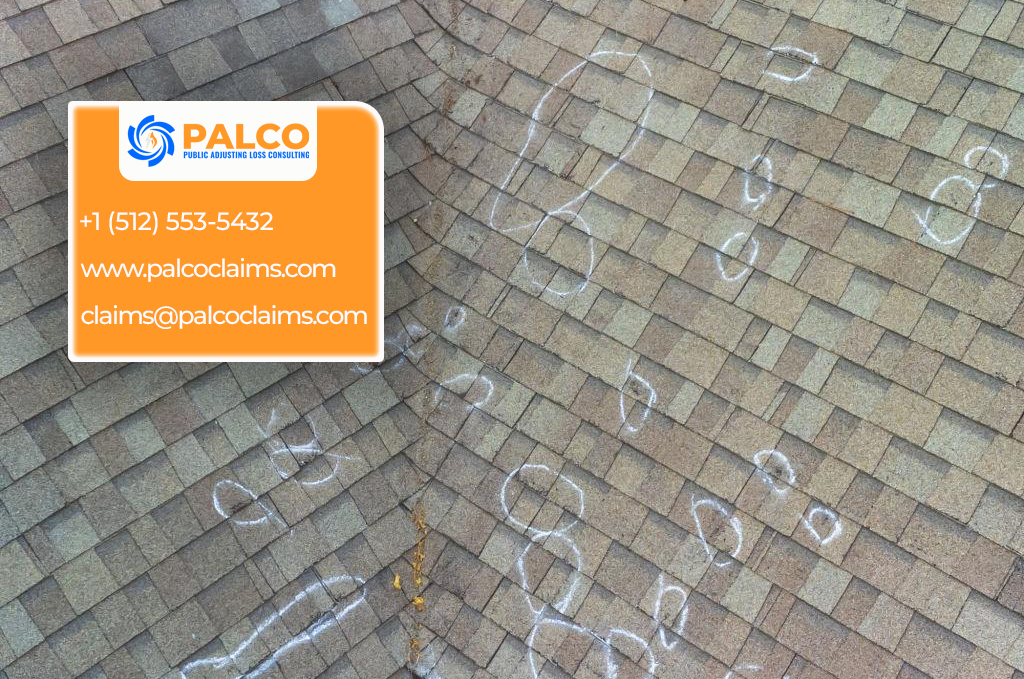
Hailstorms are one of the terrible storms that could cause great destruction. They can cause significant damage to your home. From breaking of windows to the impact on your roof, it can cause major damage. If you are a homeowner, it’s likely that you have had questions like “Does my homeowner’s insurance cover hail damage?”
In this blog, we will break down how homeowners insurance typically covers hail damage, what you need to do if your property is affected, and how you can ensure that your insurance claim is processed smoothly.
What is Hail Damage?
Hail damage occurs when hailstones,chunks of ice that form in storm clouds,fall from the sky and impact your property. They are becoming more intense in certain regions, based on data from the National Oceanic and Atmospheric Administration. The damage can vary from small dents and cracks to more serious structural issues. The most common areas impacted by hail are:
- Roofs: Hail can crack shingles, loosen roof tiles, and cause leaks.
- Windows: Hail can shatter glass or cause cracks in your windows.
- Siding: Cracks or dents can appear on your home’s siding, affecting the exterior appearance.
Does Homeowners Insurance Cover Hail Damage?
Absolutely, in almost all cases, the policy for homeowners insurance will pay for any damage caused by hail. Homeowners insurance includes insurance from the storm damage that may happen in any household, so if your house gets damage from the hail, you can use your policy to make the repair or replacement costs.
Nonetheless, there might be additional conditions under which you are insured because of damage, and the policy includes deductibles, the condition of the roof, etc. In particular, there may be conditions under which you will only receive compensation for exterior damage, but not internal.
For more details on what is covered in your policy, it’s always a good idea to consult with a public adjuster.
What is Covered by Hail Damage Insurance?
A typical hail insurance coverage plan will include:
- Damage to Your Roof from Hail: This type of hail insurance coverage can cover any expenses involved in repairing or replacing your roof after it suffers damage from hail. Your roof can incur minor and major hail damage, which you need to pay for.
- Your Home’s Siding and Windows: Your home insurance might be able to pay for any repairs to or replacement of siding that hail caused. The same applies to windows that sustain dents and cracks from hail.
Insurance policies usually offer two types of coverage:
- Actual Cash Value (ACV): This policy accounts for depreciation. If your roof is 10 years old, for example, the payout will be based on the roof’s current value, not its replacement cost.
- Replacement Cost Value (RCV): RCV policies cover the full cost to replace your roof without deducting depreciation.
If you’re unsure about your coverage options, it’s important to check with your insurer or a trusted public adjuster.
What Should You Do If You Experience Hail Damage?
Here are some steps to be followed when dealing with hail damage:
-
Damage Inspection
After the damage has been caused by hail, examine the damage. Check whether there are any cracks on your roof’s shingles, dented siding, and broken windows.
-
Damage Documentation
You can take photos and videos of the areas that have been damaged in order to file a claim.
-
File Your Claim
You will need to contact your insurance company in order to inform them about the damage.
-
Hire a Public Adjuster or Contractor
It’s advisable to hire a contractor or a public adjuster who can assess the damage, advocate on your behalf, and ensure that all damage is covered in the claim.
-
Follow Up
Stay in touch with your insurance company to ensure that the claim is processed promptly and all necessary repairs are approved.
Hail Damage and Insurance Claims: Common Issues
While hail damage insurance coverage is common, issues can arise during the claims process. These include:
- Denied Claims: If the adjuster doesn’t recognize all of the damage or if the evidence isn’t sufficient, your claim may be denied.
- Underpayment: Sometimes, your insurance company may offer less money than needed for repairs, especially if they apply depreciation (if you have an ACV policy).
- Delays: If there are many claims filed after a major storm, your claim may be delayed. It’s important to follow up and ensure everything is progressing smoothly.
To help avoid these issues, consider hiring a public adjuster to assist with your claim.
How to Maximize Your Hail Damage Claim
Ways through which you can maximize your hail damage insurance claim include:
-
Filing Your Insurance Claim Promptly
The quicker you do it, the easier it will become to make the claim process more efficient.
-
Consulting a Professional Contractor/Public Adjuster
By working with them, you can make sure that no stone is left unturned when it comes to the coverage of all hail damage.
-
Inspecting the Scope of Work
It is important to understand the scope of work that the adjuster has done. If something is not covered yet, you should insist on adding it in the final report.
For tips on how to prepare for an adjuster’s visit, read about how to maximize your hail claim.
Hail Damage Insurance Coverage for HVAC Units
Hail doesn’t just damage roofs and windows,it can also impact your HVAC systems. If hail causes damage to your air conditioning units, your hail damage insurance coverage may include these repairs as well. It’s important to check with your insurer to confirm that HVAC systems are covered under your policy.
For more on how hail affects HVAC systems, check out insurance cover hail damage to AC units and HVAC systems.
What to Expect with the Hail Damage Claim Timeline
After filing your claim, it’s important to understand the typical timeline for a hail damage claim. Claims can be processed quickly, but sometimes delays occur due to high volumes of claims or complex damage. Here’s a general timeline:
- Filing the Claim: Same day or within a few days after damage.
- Adjuster Inspection: Within 1–14 days.
- Claim Review and Approval: 3–21 days.
- Repair and Payment: Once approved, repairs typically start within 1–3 days, but depending on material availability, it can take longer.
For a more detailed timeline, visit hail damage claim timeline.
Protect Your Home from Future Hail Damage
While you can’t stop hailstorms, there are steps you can take to minimize damage:
- Install Impact-Resistant Roofing: This type of roof can reduce the risk of significant hail damage.
- Reinforce Your Windows: Consider installing storm windows or shutters to protect your home from hail.
- Trim Trees: Keep branches away from the roof to reduce the risk of falling limbs during storms.
FAQs About Hail Damage and Homeowners Insurance
-
Which types of damage does hail damage insurance cover?
Most home insurance policies cover roof, siding, and window damage due to hail.
-
How will I determine if there is hail damage on my roof?
Check your shingles for cracks or dents, and look for any missing granules. You could also hire a professional to do an inspection.
-
Am I able to claim the damage done to my windows by hail?
Yes, hail that has broken windows will be covered by your homeowners’ insurance policy.
-
What is the ideal time frame to file a claim for hail damage?
It is best to file the claim immediately after the incident occurs.
-
How can I choose the right contractor to repair my hail damage?
Find a contractor who has experience dealing with claims for hail damage. This means they will understand how to document their findings.
-
What is the difference between ACV and RCV?
The value used in ACV is depreciated, while RCV will pay the full value without depreciation.
-
Do I stand a chance of getting depreciation recovered after repairs?
Yes, when you have RCV, you can recover depreciation.
- What happens if my claim is denied?
If your claim is denied, a public adjuster can help appeal the decision and negotiate a better settlement.
-
Does insurance cover hail damage to my vehicle?
Hail damage to vehicles is typically covered by car insurance, not homeowners insurance.
-
What should I do if my claim is underpaid?
Contact your insurer to discuss the discrepancy or hire a public adjuster to help negotiate a fair settlement.
For additional information on protecting your home, check out Wind Damage Claims in Texas, Oklahoma, and Nevada.
In the End: Get Your Hail Damage Claim Processed Smoothly
Hail damage is a common problem for homeowners, but with the right insurance coverage and documentation, you can get your home repaired quickly and efficiently. Make sure to file your claim on time, get a professional to inspect the damage, and consider hiring a public adjuster to ensure you get the full compensation you deserve.
For claim assistance, you can check availability here with trusted and affordable companies that provide disaster claim insurance. Visit our Google My Business profile Palco Claims for more details and to connect with us directly.