
Introduction
After a fire, emotions run high and everything can feel overwhelming. Once everyone is safe, one of the most important steps you can take is properly documenting the damage. How well you document fire damage can directly affect whether your insurance claim is approved, delayed, or underpaid.
Insurance companies rely heavily on proof. If damage is not clearly documented, it may not be fully included in your claim even if it was real and severe. This guide explains exactly how to document fire damage for insurance, including photos, inventories, and supporting proof, in a clear and practical way.
Why Fire Damage Documentation Matters So Much
Insurance does not pay based on assumptions. It pays based on evidence. Fire damage includes more than burned materials. Smoke, soot, water from firefighting efforts, and hidden damage inside walls or systems must all be proven.
Incomplete documentation is one of the most common reasons fire claims are reduced. This is especially true in larger losses that fall under broader fire damage claims in Texas, Oklahoma, and Nevada, where insurers carefully review every detail.
Take Photos Immediately (Before Cleanup)
Photos are one of the strongest forms of proof in a fire insurance claim. They should be taken as soon as it is safe and before cleanup or repairs begin.
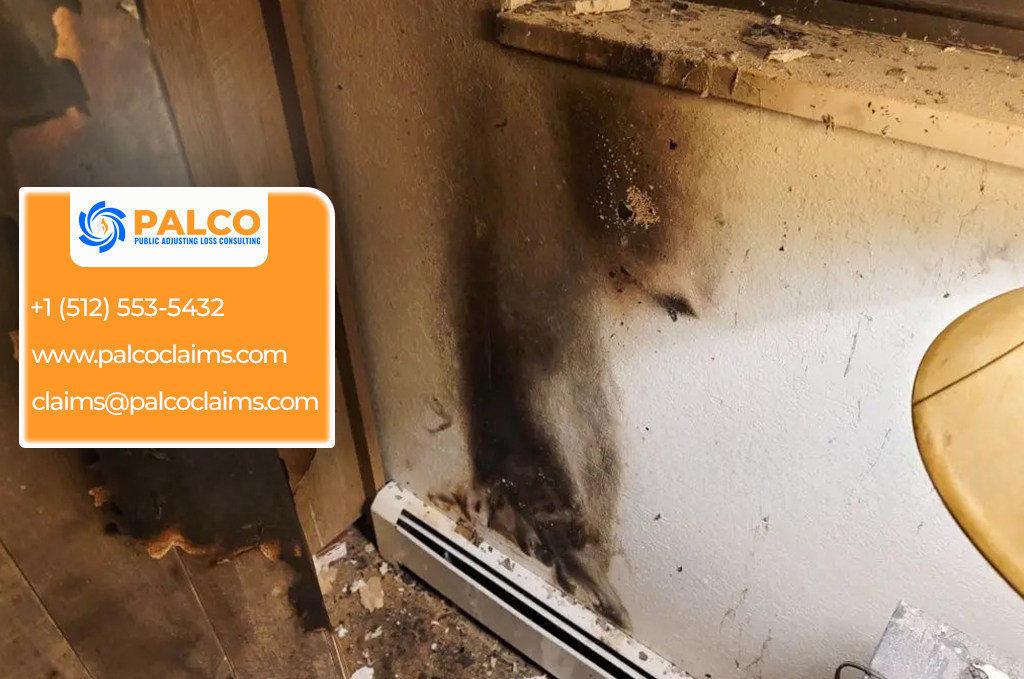
Take wide-angle photos of each room to show overall damage. Then take close-up photos of specific issues such as burned areas, smoke staining, soot residue, water damage, and damaged contents. Do not forget ceilings, walls, floors, and exterior areas.
Photos should show scale and context. If possible, include objects like doors or furniture in the frame so damage size is clear.
Record Smoke and Soot Damage Clearly
Smoke and soot damage are often underestimated or minimized by insurance companies. Even if flames never entered a room, smoke can still cause serious contamination.
Photograph smoke staining on walls, ceilings, vents, and light fixtures. Capture soot residue on surfaces, inside cabinets, and on personal belongings. Odor alone is difficult to prove, so visible evidence becomes critical.
Smoke and soot damage should be documented thoroughly to avoid disputes later, especially in claims where insurers may argue cleaning is enough instead of replacement.
Create a Detailed Personal Property Inventory
A personal property inventory is one of the most time-consuming but important parts of documenting fire damage. Insurance companies typically require an item-by-item list of damaged or destroyed belongings.
Each item should include a description, approximate age, original cost (if known), and condition before the fire. Avoid vague descriptions like “miscellaneous items.” Detailed entries result in more accurate claim evaluations.
Personal property disputes are common and often affect the final payout discussed in fire damage claim maximum payout.
Save Receipts and Financial Records
Receipts help establish value, but they are not required for every item. Bank statements, credit card records, warranty documents, and even photos taken before the fire can support ownership and value.
For larger items such as appliances, electronics, or furniture, receipts or proof of purchase can significantly strengthen your claim. Digital backups are acceptable and often preferred.
Keep all records organized and saved in multiple locations if possible.
Document Structural and Hidden Damage
Fire damage is not always visible. Heat, smoke, and water can damage wiring, insulation, framing, and HVAC systems behind walls and ceilings.
Photograph areas where damage is suspected, even if it is not fully exposed yet. Contractor reports, inspection notes, and testing results also serve as proof.
Hidden damage is a common reason claims change over time and why initial estimates are often incomplete.
Track Temporary Living Expenses Carefully
If your home is unlivable, insurance may cover additional living expenses such as hotels, rentals, food, and storage. These costs must be documented.
Save receipts, rental agreements, and utility bills related to temporary housing. Loss of use coverage has limits and conditions, and undocumented expenses may not be reimbursed.
Poor tracking of these costs is one of the mistakes homeowners often make after a fire.
Keep a Claim Communication Log
Insurance claims involve many conversations, emails, and documents. Keeping a communication log helps protect you if disputes arise.
Record dates, names, and summaries of phone calls or meetings. Save emails and letters from the insurance company, contractors, and inspectors.
Clear records reduce confusion and help if disagreements over scope or payment occur later.
Do Not Throw Away Damaged Items Too Soon
It is tempting to clean up quickly after a fire, but disposing of damaged items before inspection can harm your claim.
Insurance companies often want to see damaged property to verify loss. If items must be removed for safety reasons, photograph them thoroughly and get written approval before disposal.
Discarding items too early is one of the most common documentation mistakes.
Understand How Documentation Affects Appraisal and Disputes
When there is disagreement over the value or scope of damage, documentation becomes even more important. Appraisal is often used to resolve valuation disputes, but it relies heavily on the evidence presented.
Understanding how documentation supports appraisal outcomes is explained further in the secrets of insurance appraisals.
Common Documentation Mistakes to Avoid
Many fire claims are weakened by avoidable mistakes. These include taking too few photos, using vague inventory descriptions, losing receipts, or relying only on insurance inspections.
Another mistake is assuming the insurance company will document everything accurately on your behalf. Ultimately, protecting your claim is your responsibility.
Final Thoughts on Documenting Fire Damage for Insurance
Proper documentation is one of the most powerful tools you have after a fire. Clear photos, detailed inventories, and organized proof help ensure your fire damage insurance coverage is evaluated fairly.
Fire claims are rarely simple, but thorough documentation reduces delays, disputes, and underpayment. The effort you put into documenting your loss early can make a significant difference in your final settlement.
For more educational resources on fire claims and insurance recovery, you can explore additional guides in the Palco Claims blog.