
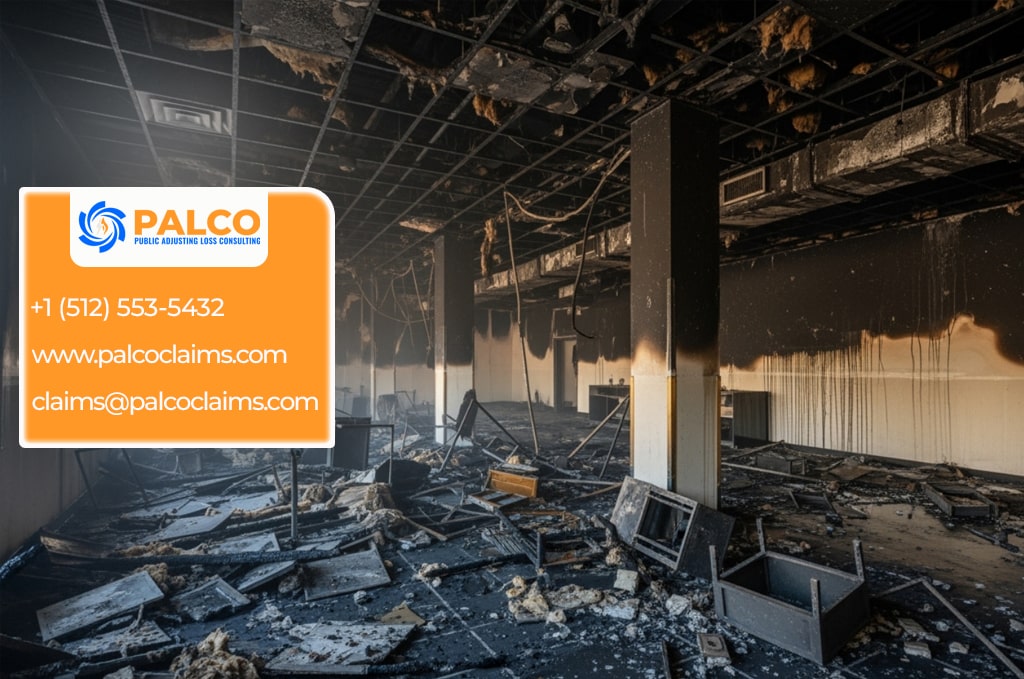
A fire can change everything in a matter of minutes. Even a small kitchen fire or electrical issue can leave behind smoke damage, structural problems, and major financial stress. After the immediate danger passes, one question almost every property owner asks is: How much does insurance actually pay for fire damage?
The answer is not simple or universal. Fire damage insurance coverage depends on policy limits, valuation methods, documentation, exclusions, and how the claim is handled from the very beginning. Two people with similar fire damage can receive very different payouts based on these factors alone.
This guide explains fire damage insurance coverage in clear, practical terms. It breaks down what insurance usually pays for, how the fire payout amount is calculated, and why fire policy limits matter so much. The goal is to help you understand what to realistically expect from an insurance claim after a fire.
What Is Fire Damage Insurance Coverage?
Fire damage insurance coverage refers to the portion of a property insurance policy that pays for losses caused by fire-related events. In most standard policies, fire is a covered peril. That means insurance generally pays for damage unless a specific exclusion applies.
Fire coverage is usually included within homeowners insurance, commercial property insurance, and landlord policies. It typically applies not only to flames but also to smoke, soot, heat damage, and water used during firefighting efforts.
Because fire damage often affects multiple areas of a property at once, these claims are usually more complex than other property losses. Understanding how coverage is structured is the first step in estimating a potential fire payout amount.
What Does Insurance Typically Pay for After a Fire?
Fire damage claims are usually divided into multiple coverage categories. Each category has its own limits and conditions, which directly affect how much insurance pays.
Dwelling and Structural Damage Coverage
Dwelling coverage pays for damage to the physical structure of the building. This includes walls, ceilings, floors, roofing systems, framing, electrical wiring, plumbing, built-in cabinets, and HVAC components.
Insurance generally pays the cost to repair or rebuild damaged portions of the structure up to the dwelling limit listed in the policy. Smoke and heat damage are included even if flames never directly touched certain areas.
Fire damage that weakens structural components but does not completely destroy them is often underestimated. This is one reason fire claims frequently involve revised estimates later in the process. Fire-related structural losses are commonly addressed under broader fire damage claims in Texas, Oklahoma, and Nevada.
Other Structures Coverage
Other structures coverage applies to buildings that are not attached to the main structure. This may include detached garages, sheds, fences, or storage buildings.
Most policies limit other structures coverage to a percentage of the dwelling limit. If fire spreads beyond the main structure, this limit can affect the overall fire payout amount more than many policyholders expect.
Personal Property Coverage and Fire Losses
Personal property coverage pays for items damaged or destroyed by fire, smoke, or heat. This includes furniture, clothing, electronics, appliances, tools, and household goods.
Personal property losses often create the biggest disputes in fire claims. Insurance companies rely heavily on documentation, depreciation schedules, and valuation methods when determining payouts. The more detailed the inventory, the more accurate the settlement tends to be. Proper documentation is explained in detail in how to document fire damage for insurance.
Actual Cash Value vs Replacement Cost
One of the most important factors affecting fire damage insurance coverage is whether your policy pays Actual Cash Value or Replacement Cost.
Actual Cash Value takes depreciation into account. This means older items are paid at a reduced value based on age and condition. Replacement Cost coverage pays the cost to replace items with new equivalents, although many policies require proof of replacement before releasing full payment.
This difference alone can change a fire payout amount by thousands of dollars. Policies that rely heavily on Actual Cash Value often leave policyholders surprised by how low the settlement feels compared to the original cost of their belongings.
Loss of Use and Additional Living Expenses
If a fire makes your home unlivable, insurance may pay for temporary living expenses. This is commonly called loss of use coverage.
Loss of use may include hotel stays, rental housing, increased food costs, laundry, and temporary storage. These expenses are typically capped by a percentage of the dwelling limit or a set time period.
Loss of use coverage can be critical after major fires, especially when repairs take months. However, policy limits still apply, and exceeding them can result in out-of-pocket costs.
Fire Policy Limits Explained
Fire policy limits represent the maximum amount insurance will pay under each coverage category. These limits apply even if the actual damage exceeds them.
Fire policy limits commonly include separate caps for dwelling, personal property, loss of use, and other structures. If rebuilding costs or personal property losses exceed these limits, the policyholder is responsible for the difference.
Understanding fire policy limits is essential when evaluating whether a fire payout amount is fair. Many policyholders only discover underinsurance after a fire has already occurred. This issue is discussed further in fire damage claim maximum payout.
Underinsurance and Fire Claims
Underinsurance happens when policy limits are too low to cover the true cost of rebuilding or replacing damaged property. Rising construction costs and outdated policy limits are common causes.
Even when insurance pays the full policy limit, the settlement may still fall short of actual expenses. This is one of the most common reasons fire damage claims feel underpaid.
Smoke, Soot, and Secondary Damage
Fire damage is not limited to burn marks. Smoke and soot can penetrate walls, insulation, HVAC systems, and personal belongings. Water used during firefighting can cause additional damage long after flames are extinguished.
These secondary damages are usually covered under fire damage insurance coverage, but they must be properly documented. Electrical risks caused by water exposure are also common after fires, as discussed in don’t ignore water-damaged lights and fire risks.
Partial Fire Damage vs Total Loss
A partial fire damages only part of a structure, while a total loss destroys the building beyond repair. Insurance payouts differ significantly between the two.
Partial losses often involve disputes over repair scope and matching materials. Total losses typically trigger full policy limits but require extensive documentation and longer settlement timelines.
Understanding which category your loss falls into helps set realistic expectations for the fire payout amount.
How Insurance Calculates the Fire Payout Amount
Insurance companies calculate fire payouts using inspections, estimating software, depreciation tables, and policy language. Initial payments are often partial and may be revised as repairs progress.
Disputes over valuation are common, especially in large or complex fire claims. When disagreements arise, appraisal may be used to resolve them, as explained in the secrets of insurance appraisals.
Why Fire Claims Are Often Underpaid
Fire claims are frequently underpaid due to missed damage, improper depreciation, incomplete inventories, or restrictive policy interpretations. Initial estimates may not reflect hidden damage that appears later.
Policyholders often accept early settlements without realizing additional coverage may be available. Learning how payouts are calculated helps avoid this issue, which is also discussed in maximize fire claim payout tips.
Fire Claim Denials and Coverage Limitations
Although fire is usually a covered peril, claims can still be partially or fully denied. Common reasons include policy exclusions, late reporting, or disputes over cause of loss.
When a claim is denied or limited, understanding the appeal process becomes critical. This scenario is covered in detail in fire damage claim denied appeal.
Handling a Fire Damage Claim Yourself
Some policyholders attempt to handle fire claims on their own. While this may work for minor losses, larger fires involve complex documentation and negotiations.
Handling a claim without professional guidance can lead to missed coverage or reduced payouts. The risks of this approach are explained in how to handle fire damage claim yourself in Texas.
The Role of Location in Fire Claims
Fire damage claims can vary by location due to building codes, regional labor costs, and insurer practices. Local experience often influences how claims are evaluated.
Homeowners often seek information on how claims are handled locally, such as in why you need a public adjuster in New Braunfels, Texas for insurance claims.
Fire Damage Insurance Coverage
Fire damage insurance coverage can provide critical financial support after a devastating loss, but the amount insurance pays depends on many variables. Fire payout amounts are influenced by policy limits, valuation methods, documentation quality, and how the claim is handled from start to finish.
Understanding fire policy limits and coverage details before and after a fire helps set realistic expectations and reduces the risk of underpayment. Fire claims are rarely straightforward, but informed policyholders are better equipped to navigate the process.
For further education on insurance claims and related topics, you can explore additional resources in the Palco Claims blog.
Personal Property Fire Payout: How Insurance Values Your Belongings
One of the most complicated parts of fire damage insurance coverage is the personal property portion of the claim. Furniture, electronics, clothing, and household items are not paid as a lump sum. Instead, insurance companies usually require a detailed, itemized inventory.
Each item is evaluated based on its age, condition, and original purpose. Vague descriptions such as “miscellaneous household items” almost always result in a lower fire payout amount. The more detailed the inventory, the more accurate the settlement tends to be. This is why proper documentation plays such a critical role, as explained in How to Document Fire Damage for Insurance.
Depreciation and Its Impact on Fire Claims
Depreciation is one of the biggest reasons fire claim payouts feel lower than expected. If your policy pays on an Actual Cash Value basis, insurance deducts value based on age, wear, and expected lifespan.
For example, a five-year-old television may be valued at only a fraction of its original price, even if it was in excellent condition before the fire. Replacement Cost policies reduce this issue, but they often require proof that the item was actually replaced before full payment is released.
Understanding how depreciation works is essential when evaluating whether a fire payout amount is fair.
Structural Estimates and Hidden Fire Damage
Fire damage insurance coverage is not limited to what is visible after the fire is extinguished. Heat, smoke, and water often affect wall cavities, insulation, electrical wiring, and framing. These hidden damages are frequently missed during initial inspections.
As repairs begin, additional damage may be discovered, requiring supplemental estimates. This is a common reason fire claims change over time and why many claims initially appear underpaid. Broader claim scope considerations are often discussed within Fire Damage Claims in Texas, Oklahoma, and Nevada.
Fire Policy Limits vs Actual Rebuild Costs
Fire policy limits are the maximum amounts insurance will pay under each coverage category. These limits do not automatically adjust for rising construction costs, labor shortages, or updated building codes.
In many cases, the actual cost to rebuild after a fire exceeds policy limits, even when insurance pays the full amount allowed. This gap is one of the most common reasons policyholders feel their claim was underpaid. This issue is explained in more detail in Fire Damage Claim Maximum Payout.
Partial Payments and Staged Settlements
Fire claims are rarely paid in a single check. Insurance companies often issue an initial payment based on preliminary estimates. Additional payments may be released later as repairs progress or replacement costs are verified.
Misunderstanding this staged process can create unnecessary frustration. Many policyholders assume the first payment is final, when in reality the claim may still be open.
Smoke Damage: Cleaning vs Replacement Decisions
Smoke and soot damage often lead to disputes between cleaning and replacement. Insurance companies may recommend cleaning items that appear salvageable, while lingering odors or health concerns make replacement more appropriate.
Porous materials such as upholstery, mattresses, and clothing frequently absorb smoke permanently. If restoration does not return items to a safe, usable condition, replacement may be justified and should be included in the claim.
Water Damage After a Fire
Water used to extinguish a fire can cause extensive secondary damage. Flooring, drywall, cabinets, and electrical systems are commonly affected. This damage is usually covered under fire damage insurance coverage but must be documented properly.
Electrical hazards caused by water exposure are especially dangerous and often overlooked, as discussed in Don’t Ignore Water-Damaged Lights and Fire Risks.
Appraisal Process in Fire Insurance Disputes
When there is a disagreement over the fire payout amount, many policies allow the use of appraisal. In this process, each side selects an appraiser to determine the value of the loss.
While appraisal can resolve valuation disputes, it has limitations and does not address coverage issues. A clear understanding of this process is important, as explained in The Secrets of Insurance Appraisals.
Fire Claim Denials and Partial Reductions
Even though fire is typically a covered peril, claims can still be reduced or denied. Common reasons include policy exclusions, late reporting, insufficient documentation, or questions about the cause of the fire.
When this happens, understanding appeal options becomes essential. This topic is covered in depth in Fire Damage Claim Denied? Top Reasons & How to Appeal.
Common Fire Claim Mistakes That Reduce Payouts
Many fire claims end with lower settlements due to avoidable mistakes. These include incomplete inventories, accepting early settlements without review, and failing to document hidden damage.
Learning how to avoid these issues can make a significant difference in the final payout, as outlined in Maximize Fire Claim Payout Tips.
Real-World Fire Payout Examples
Understanding fire damage insurance coverage becomes easier when you see how payouts work in real situations. While every claim is unique, these examples illustrate how policy limits, valuation, and documentation influence the final fire payout amount.
Example 1: Partial Kitchen Fire
A small kitchen fire damages cabinets, appliances, and creates smoke throughout the home. The dwelling repairs are estimated at $45,000, and personal property losses total $18,000. The policy provides Replacement Cost coverage with sufficient limits. Insurance issues an initial payment based on estimates, followed by additional payments after replacements are completed. The final payout closely matches repair and replacement costs because documentation is thorough and limits are adequate.
Example 2: Whole-House Fire With Underinsurance
A home suffers extensive fire damage and is deemed a total loss. The cost to rebuild is $410,000, but the dwelling limit is $325,000. Even though insurance pays the full limit, the homeowner must cover the shortfall. This situation commonly occurs when limits are outdated, which is why understanding fire damage claim maximum payout is so important before and after a loss.
Example 3: Smoke-Only Loss With Disputes
A neighboring fire fills a home with smoke, damaging HVAC systems and contents without flames entering the property. Insurance initially recommends cleaning rather than replacement. After testing and failed restoration attempts, additional replacement costs are approved. Smoke-only losses are often underestimated and require careful documentation, a topic discussed broadly within fire damage claims in Texas, Oklahoma, and Nevada.
How Long Fire Insurance Claims Typically Take
Fire claims rarely settle quickly. The timeline depends on severity, documentation, and rebuilding decisions.
Minor Fire Damage
Smaller fires with limited repairs may resolve within a few weeks to a couple of months. Initial payments are issued early, with final settlement following once repairs are complete.
Moderate Fire Damage
Claims involving multiple rooms, smoke contamination, and partial rebuilds often take several months. Supplemental estimates and revised scopes are common as hidden damage appears.
Total Loss Fires
When a structure is destroyed, settlements may take a year or longer. Policyholders must decide whether to rebuild or relocate, document extensive personal property losses, and navigate staged payments.
Understanding the steps involved helps set expectations, especially when reviewing guides like how to file an insurance claim for fire damage.
Why Initial Fire Payments Are Often Not Final
One of the most misunderstood aspects of fire claims is the difference between initial and final payments. Insurance companies typically issue an early payment based on preliminary estimates. This payment is not the full settlement.
As repairs progress, additional damage may be discovered, and replacement costs may exceed early projections. Claims remain open until all covered work is completed and documented. Misinterpreting the first check as final can lead to unnecessary frustration.
Loss of Use Payments and Timing
Loss of use coverage helps pay for temporary housing and related expenses while repairs are underway. Payments may be issued monthly or reimbursed after expenses are incurred, depending on policy terms.
Delays in repairs can extend temporary living needs, making it critical to understand coverage limits and time restrictions. Exceeding these limits can result in out-of-pocket costs even when the fire damage itself is fully covered.
Fire Claims Involving Water and Electrical Damage
Water used to extinguish a fire can damage flooring, drywall, and electrical systems. These secondary losses are usually included under fire damage insurance coverage but must be clearly documented.
Electrical hazards caused by water exposure are especially serious and may require full system replacement. The risks of overlooking this damage are outlined in don’t ignore water-damaged lights and fire risks.
When Fire Claims Turn Into Disputes
Disputes arise when there is disagreement over damage scope, valuation, or policy interpretation. Common triggers include:
- Depreciation disagreements
- Missed smoke or water damage
- Policy limit restrictions
- Repair versus replacement conflicts
When disputes occur, appraisal is often used to resolve valuation issues. Understanding how appraisal works and what it does not address is critical, as explained in the secrets of insurance appraisals.
Denied or Reduced Fire Claims: What Happens Next
Even with clear fire damage insurance coverage, claims can be reduced or denied due to exclusions, reporting delays, or investigation findings. When this happens, policyholders may appeal or provide additional evidence.
Knowing the common reasons for denial helps set realistic expectations and avoid repeated mistakes. Detailed guidance on this process is available in fire damage claim denied appeal.
Handling a Fire Claim Without Assistance
Some property owners choose to manage fire claims on their own. While this may work for small losses, larger claims involve complex estimating, depreciation calculations, and policy interpretation.
Handling a claim independently increases the risk of missed coverage or underpayment. The challenges of this approach are discussed in how to handle fire damage claim yourself in Texas.
The Role of Location in Fire Claim Outcomes
Fire claims can vary by location due to differences in labor costs, building codes, and insurer practices. Local experience often affects how damage is evaluated and how quickly claims progress.
Many homeowners seek local context when navigating claims, such as understanding why guidance like why you need a public adjuster in New Braunfels, Texas for insurance claims is frequently referenced in regional claim discussions.
Practical Tips for a Smoother Fire Claim Process
Fire claims are emotionally and financially demanding. While no claim is effortless, these practices help reduce delays and confusion:
- Document everything from the start, including photos and inventories
- Keep copies of estimates, invoices, and communications
- Track temporary living expenses carefully
- Review payments to understand what they cover and what remains open
These steps help policyholders better evaluate whether a fire payout amount aligns with their coverage and losses.
Frequently Asked Questions (FAQs)
How much does insurance usually pay for fire damage?
The amount insurance pays for fire damage depends on your policy limits, the type of coverage you have, and the extent of the damage. Insurance typically pays for structural repairs, personal property losses, and temporary living expenses, but only up to the limits listed in your policy. The final fire payout amount may be lower if depreciation or exclusions apply.
Does fire damage insurance cover smoke and soot damage?
Yes, fire damage insurance coverage usually includes smoke and soot damage, even if flames did not directly touch certain areas. Smoke can damage walls, insulation, HVAC systems, and personal belongings. However, this damage must be properly documented to be included in the claim.
What are fire policy limits, and why do they matter?
Fire policy limits are the maximum amounts your insurance company will pay for each category of loss, such as dwelling, personal property, and loss of use. If the cost to rebuild or replace items exceeds these limits, the policyholder is responsible for the difference. Fire policy limits play a major role in determining the final settlement.
Why does the fire payout amount sometimes feel too low?
Fire payouts often feel low due to depreciation, incomplete inventories, missed damage, or policy limit restrictions. Initial payments are also usually not final. As repairs progress and additional damage is discovered, supplemental payments may be issued.
Is water damage from firefighting covered by insurance?
In most cases, yes. Water damage caused while extinguishing a fire is generally covered under fire damage insurance coverage. This includes damage to flooring, drywall, and electrical systems. Proper documentation is required to ensure this damage is included in the claim.
How long does a fire damage insurance claim take to settle?
The timeline varies based on the severity of the fire. Minor fire claims may settle within weeks, while major fires or total losses can take several months or longer. Delays often occur due to inspections, rebuilding decisions, and staged insurance payments.
Can a fire damage claim be denied even if fire is a covered peril?
Yes, a fire damage claim can still be denied or reduced due to policy exclusions, late reporting, lack of documentation, or investigation findings. Understanding policy terms and appeal options is important if a denial occurs.
Do I have to accept the first insurance payment for a fire claim?
No. The first payment is usually an initial or partial payment based on early estimates. Fire claims often remain open, and additional payments may be issued as repairs are completed and replacement costs are verified.
Is handling a fire insurance claim on your own risky?
Handling a fire claim without assistance can be challenging, especially for larger losses. Fire claims involve complex documentation, valuation methods, and policy interpretation. Mistakes during the process can lead to underpayment or delays.
What should I do first after a fire damage loss?
After ensuring safety, the first steps usually include documenting the damage, notifying your insurance company, and preventing further damage to the property. Keeping detailed records from the beginning helps protect your fire damage insurance coverage.
Fire Damage Insurance Coverage
Fire damage insurance coverage is designed to help property owners recover after devastating losses, but payouts depend on many variables. Fire policy limits, valuation methods, documentation quality, and claim handling all play critical roles.
Understanding how insurance calculates payouts, why timelines vary, and where disputes commonly arise allows policyholders to approach claims with realistic expectations. Fire claims are rarely straightforward, but informed decision-making reduces the risk of underpayment and prolonged delays.
For continued education on insurance claims and recovery topics, readers can explore additional resources in the Palco Claims blog.