
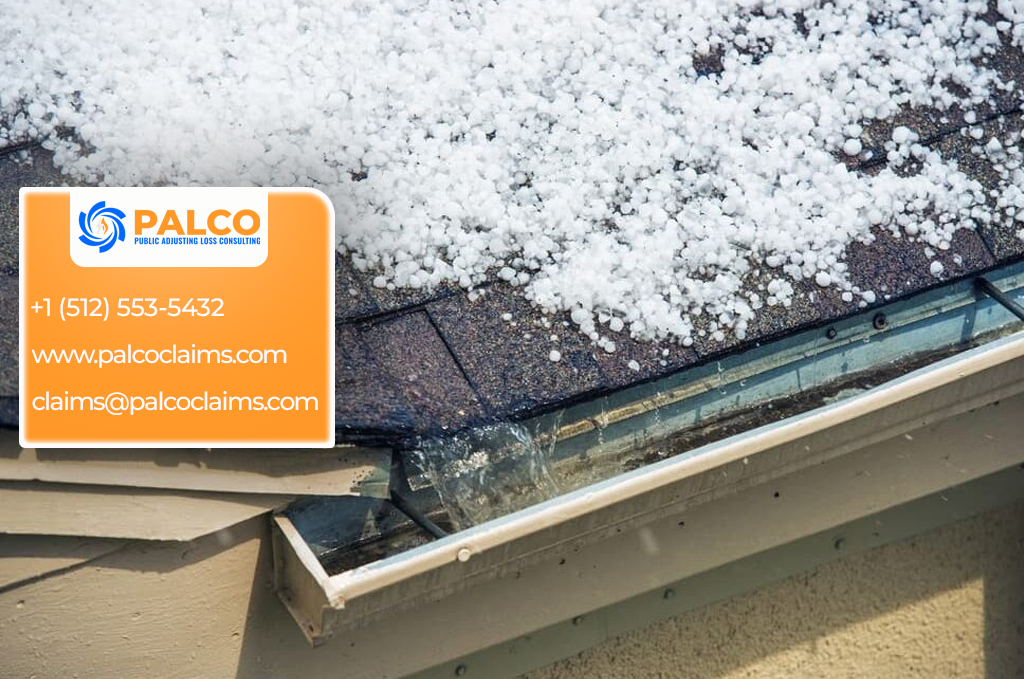
Hailstorms can cause serious damage to homes and commercial buildings in just a few minutes. From dented metal surfaces and cracked shingles to water leaks and damaged gutters, hail can impact nearly every part of a property. After a storm passes, many homeowners quickly file an insurance claim, expecting the process to be simple. However, the outcome of your claim can depend heavily on what you do before the insurance adjuster even arrives.
Preparing properly before the inspection can significantly affect how much your claim is worth. Property owners who document damage carefully and understand the process are far more likely to receive a fair settlement. If your property has recently been affected by hail, understanding how to maximize your claim before the adjuster arrives can make a major difference in the final outcome.
Understanding How Hail Damage Claims Work
When a hailstorm damages your property, the first step is usually filing an insurance claim with your provider. After receiving the claim, the insurance company sends an adjuster to inspect the damage and determine the value of the loss.
This inspection plays a crucial role in the claims process. The adjuster’s report often becomes the foundation for the insurance company’s settlement offer. Because of this, it is important to prepare thoroughly before the inspection takes place.
Many homeowners start by learning about the process of
Hail Damage Claims in Texas, Oklahoma & Nevada
so they can better understand how storm damage claims are evaluated.
Why Preparation Before the Adjuster Arrives Matters
Insurance adjusters may inspect several properties in a single day, especially after major storms. During large hail events, insurance companies often receive thousands of claims at once. Because of this high volume, inspections sometimes move quickly and may not capture every detail of the damage.
If damage is overlooked during the inspection, it may not appear in the insurance estimate. That can lead to lower settlement offers or incomplete repairs.
By preparing properly beforehand, you can ensure the inspection process is more thorough and accurate.
Step 1: Inspect Your Property Safely
Before the adjuster arrives, you should perform a visual inspection of your property from the ground. Look for common signs of hail damage such as:
- Missing or cracked shingles
- Granule loss on roofing materials
- Dented gutters and downspouts
- Broken roof vents
- Damaged siding or windows
- Water stains on ceilings
These early observations help you identify areas that need attention during the adjuster’s inspection.
Hailstorms often occur with high winds as well. If wind damage also affected your property, your claim may involve
Wind Damage Claims in Texas, Oklahoma & Nevada.
Always avoid climbing on the roof unless it is safe and professionally supervised.
Step 2: Take Clear Photos and Videos
Documentation is one of the most important parts of maximizing a hail claim.
Take photos of:
- Roof damage
- Siding dents
- Gutter impacts
- Broken windows
- Outdoor property damage
- Interior water stains
Make sure to capture photos from multiple angles and include close-up images showing hail impact marks.
Photographic evidence helps support your claim and ensures the adjuster cannot overlook visible damage.
If hail caused roof leaks or moisture inside the property, additional documentation may support claims involving
Water Damage Claims in Texas, Oklahoma & Nevada.
Step 3: Document the Date of the Storm
Insurance companies need to verify that damage occurred during a specific storm event. Keeping records of when the storm happened helps connect the damage to the event.
You can support your claim by collecting:
- Weather reports
- Local storm alerts
- News coverage of hailstorms in your area
This information strengthens the link between the storm and the damage on your property.
Step 4: Prevent Additional Damage
Insurance policies typically require homeowners to take reasonable steps to prevent further damage.
Temporary measures may include:
- Covering roof openings with tarps
- Removing water from floors
- Protecting furniture and belongings
However, avoid performing permanent repairs before the adjuster inspects the property, as this may interfere with the inspection.
Step 5: Make a List of Damaged Areas
Before the adjuster arrives, prepare a checklist of areas that may have been impacted by the hailstorm.
This list may include:
- Roofing surfaces
- Flashing and vents
- Skylights
- Gutters and downspouts
- Air conditioning units
- Window screens
- Garage doors
- Exterior siding
When the adjuster performs the inspection, this checklist ensures no areas are overlooked.
Step 6: Be Present During the Inspection
Whenever possible, be present when the insurance adjuster inspects the property. Being present allows you to point out damage and ask questions about the inspection.
This step also ensures that important areas are not missed during the evaluation.
Homeowners in Central Texas often consult professionals such as a
Public Adjuster in Austin, Texas
to assist during inspections and ensure proper documentation.
Step 7: Get a Professional Damage Evaluation
Insurance adjusters represent the insurance company, not the policyholder. Because of this, many property owners choose to obtain an independent inspection before the insurance inspection.
A professional evaluation can identify damage that might otherwise be overlooked.
For example, property owners in North Texas sometimes consult a
Public Adjuster in Dallas, Texas
to review storm damage and prepare documentation before the insurance adjuster arrives.
Step 8: Understand What Your Insurance Policy Covers
Before the inspection, review your insurance policy so you understand what is covered.
Policies typically address:
- Roof damage
- Structural damage
- Exterior property damage
- Interior water damage
However, coverage details vary depending on the policy type.
Understanding your coverage helps you ask informed questions during the inspection.
Step 9: Prepare Questions for the Adjuster
When the adjuster arrives, consider asking questions such as:
- What damage did you identify during the inspection?
- Will the roof require repair or replacement?
- What documentation will be included in the report?
- When should you expect the claim estimate?
Asking these questions helps clarify the next steps in the claim process.
Step 10: Understand the Full Storm Damage Picture
Hailstorms sometimes cause more than just roof damage. Severe weather events may also involve tornadoes, wind damage, or lightning strikes.
If your property suffered additional storm damage beyond hail, it may involve broader claims such as
Tornado Damage Claims in Texas, Oklahoma & Nevada
or even fire-related losses in rare cases involving lightning strikes.
Understanding the full scope of storm damage ensures your claim reflects the true extent of the loss.
Why Some Hail Claims Are Underpaid
Even when damage is confirmed, insurance settlements may not always reflect the full repair cost.
Common reasons claims are underpaid include:
- Missing damage during inspection
- Underestimated repair costs
- Incorrect measurements
- Depreciation calculations
When this occurs, policyholders may seek professional assistance from experts such as a
Public Insurance Adjuster in Texas, Oklahoma & Nevada
to review the claim and negotiate adjustments.
Hail Damage Claims in Texas
Texas experiences some of the most frequent hailstorms in the United States. Cities such as Austin, Dallas, and Houston regularly see severe weather events that produce damaging hail.
Because of this, insurance companies process thousands of hail claims every year.
Homeowners in rapidly growing areas like Round Rock sometimes consult a
Public Adjuster in Round Rock, Texas
to ensure storm damage is properly evaluated before accepting an insurance settlement.
Hail Damage Claims in Oklahoma
Oklahoma is another state heavily affected by severe hailstorms.
Cities such as Norman, Tulsa, and Moore frequently experience intense storms that damage roofs, siding, and vehicles.
Property owners facing storm damage sometimes seek guidance from a
Public Adjuster in Oklahoma
to help manage the claim process and ensure accurate documentation.
Commercial Hail Damage Claims
Commercial properties often experience more complex hail claims because of the size and structure of the buildings involved.
Facilities such as:
- Schools
- Hospitals
- Medical clinics
- Libraries
May require specialized inspections and documentation.
For example, institutional property owners may consult a
Texas Public Adjuster for Hospital
to properly evaluate roofing systems and building infrastructure.
Common Mistakes to Avoid Before the Adjuster Arrives
Many property owners unknowingly make mistakes that can reduce the value of their claims.
Avoid the following mistakes:
Ignoring Small Damage
Minor dents and cracks can lead to major problems later.
Throwing Away Damaged Materials
Keep damaged materials as evidence.
Repairing the Roof Too Early
Permanent repairs before inspection may affect the claim.
Not Documenting the Damage
Photos and records are essential for supporting the claim.
Final Thoughts: Maximizing Your Hail Claim
Preparing for the insurance adjuster’s inspection is one of the most important steps in the hail damage claim process. By documenting damage, understanding your insurance coverage, and ensuring the inspection is thorough, you can significantly improve the outcome of your claim.
Hailstorms can cause serious damage to homes and businesses, but careful preparation helps ensure that your claim accurately reflects the true cost of repairs.
Taking proactive steps before the adjuster arrives gives you the best chance of receiving the compensation needed to restore your property.
New Braunfels, TX
Oklahoma
Nevada