
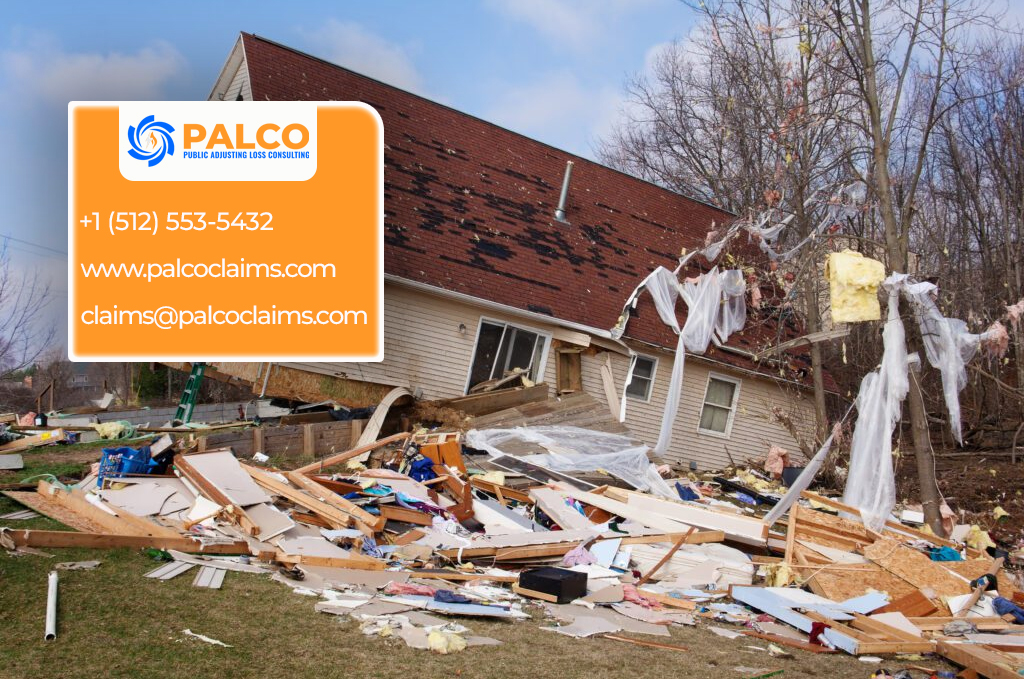
To directly answer this question of does renter insurance cover property damage?Well, in many cases, yes.
Renters insurance can help cover your personal belongings, liability, and extra living costs when the damage comes from a covered event like fire, smoke, theft, vandalism, or a sudden water leak. However, it usually does not cover the landlord’s building, old damage, poor maintenance, or damage caused on purpose. That is why knowing what your policy covers before trouble starts can save you money, stress, and confusion later.
This is where PALCO Claims comes to rescue as it helps renters, homeowners, and property owners understand damage, document losses, and move through the claim process with clearer proof.
Not sure if your rental damage is covered? PALCO Claims brings years of property claim experience to help you understand the damage, organize proof, and avoid costly claim mistakes before you speak too quickly with insurance.
What Is Renters Insurance?
Renters insurance is a policy for people who rent their homes, apartments, or condos. It usually has three main parts:
- Personal property coverage: Pays to repair or replace your belongings if they are damaged, stolen, or destroyed.
- Liability coverage: Helps if you cause property damage or injury to someone else (like a guest or your landlord).
- Additional living expenses (ALE): Can pay for hotel stays or food if you have to leave your rental because of a covered event.
In Texas, this type of insurance is especially useful for renters who want to protect their things from storms, fire, theft, or water leak damage in their rental unit.
For a wider guide on property protection, you can read PALCO’s page on what property insurance means
What Property Damage Is Covered?
Most renters insurance policies cover property damage from sudden, accidental events. Common covered property damage situations include:
Common covered property damage may include:
| Damage Type | Usually Covered? | Simple Meaning |
| Fire and smoke damage | Often yes | Your belongings may be covered after a fire or smoke event |
| Water leak damage | Sometimes | Sudden leaks may be covered, but flooding is different |
| Theft and vandalism | Often yes | Stolen or damaged belongings may qualify |
| Wind damage | Sometimes | Belongings damaged by a covered wind event may qualify |
| Burst pipe damage | Often yes | Sudden pipe breaks may damage personal items |
| Accidental property damage to others | Sometimes | Liability may help if you damage someone else’s property |
| Flood damage | Usually no | Floods often need separate coverage |
| Wear and tear | Usually no | Old, worn-out items are not normally covered |
Renters insurance can also include liability coverage and loss of use coverage. Loss of use may help with extra living costs if a covered event makes the rental unlivable.
If your damage involves a home or residential claim, PALCO’s residential claims services page can help you understand how claim support works.
How Accidental Property Damage Works
Accidental property damage is one of the trickiest parts of renters insurance. It usually means small, unexpected mistakes that hurt someone else’s property, not big, intentional acts.
For example:
- You leave a pot on the stove and cause a small fire that damages your furniture.
- Your pet jumps and breaks a lamp or scratches a wall in your rental unit.
- You accidentally spill water that damages your landlord’s flooring.
In these cases, renters insurance can help pay for repairs or replacements, but normal wear and tear or big, careless acts may not be covered. Our page on burst pipe insurance coverage explains how water‑related damage often fits into renters and homeowners policies.
Rental Unit Damage: What Renters Insurance Does Not Cover
Rental unit damage means harm to the apartment or building itself, like walls, floors, ceilings, plumbing, cabinets, or built-in fixtures. Since the landlord owns these parts, their insurance usually handles repairs. But if you accidentally caused the damage, your renters liability coverage may help protect you.
Renters insurance usually does not cover:
- Normal wear to the apartment
- Old stains, cracks, or weak flooring
- Damage caused by poor maintenance
- Mold from long-term moisture
- Pest damage
- Intentional damage
- Flood damage without separate coverage
- The landlord’s building structure as your personal property
If you are dealing with large damage and do not know who should pay, PALCO’s loss consulting services can help organize the facts around the loss.
Fire and Smoke Damage in a Rental
Fire and smoke damage can be one of the most serious events for renters. If your apartment or house catches fire, the building’s walls and floors are usually covered by the landlord’s insurance, but your stuff may be covered by your renters insurance.
What renters insurance may cover:
- Furniture, clothes, and electronics ruined by fire or smoke.
- Costs to stay somewhere else while repairs are done (additional living expenses).
- Damage to something you own in the rental unit, like a window or appliance.
Our guide on fire damage claims in Texas Oklahoma Nevada explains the claims process step‑by‑step and how to prove what you lost.
Water Leak Damage and Renters Insurance
Water leak damage is another common concern for renters. If pipes burst, water heaters fail, or heavy rain causes leaks, your renters insurance may help.
Typical coverage for water leak damage:
- Personal belongings damaged by water (carpets, furniture, electronics).
- Short‑term living costs if you have to move out while repairs are made.
- Accidental water damage you cause in your rental unit, within your policy limits.
However, normal wear and tear or long‑term leaks you ignored might not be covered. Our page on water damage claims in Texas Oklahoma and Nevada and dont ignore water damaged light and fire risks explains the dangers of water damage and how to document it for a claim.
Theft and Vandalism in a Rental
Theft and vandalism are also common reasons to use renters insurance. If someone breaks into your home or your things are damaged by a vandal, your policy can help.
Renters insurance usually covers:
- Stolen items like laptops, phones, jewelry, and bikes.
- Stuff damaged by vandals (broken windows, scratched walls you own, or broken furniture).
- Legal costs if someone sues you for damage.
If you want to learn more about how claims are filed and what records you need, our page on how to file an insurance claim with a public adjuster explains how to prepare your documents and talk to your insurer.
Simple Flowchart: Does Renters Insurance Cover This Damage?
Use this simple flowchart before filing a claim:
Step 1: Did Property Damage Happen Suddenly?
Yes: Go to Step 2.
No: Old wear, neglect, or slow damage may not be covered.
Step 2: Was Your Personal Property Damaged?
Yes: Renters insurance may apply.
No: If the building was damaged, tell your landlord.
Step 3: Was It Caused by a Covered Event?
Yes: Start documenting the claim.
No: Check exclusions like flood, mold, pests, or wear and tear.
Step 4: Did You Damage Someone Else’s Property?
Yes: Liability coverage may help.
No: Continue with your personal property claim.
Step 5: Do You Have Photos, Receipts, and Proof?
Yes: File the claim with stronger support.
No: Gather proof before submitting if possible.
Insurance Claim Process for Renters
The insurance claim process should be simple, but it can feel stressful when your belongings are damaged. The key is to stay organized from the beginning.
Make Sure Everyone Is Safe
Leave the rental if there is fire, smoke, electrical danger, major water damage, or structural risk. Safety comes first.
Tell Your Landlord
Your landlord needs to know about rental unit damage. They may need to stop leaks, repair walls, check electrical issues, or contact their own insurance.
Document the Damage
Take photos and videos of every damaged item. Include wide shots of the room and close shots of each item.
Create an Item List
Write down each damaged item, age, brand, estimated value, and replacement cost. Receipts and online order records help.
File the Claim
Contact your insurance company and explain what happened. Give the date, cause, photos, and item list.
Review the Estimate
Do not rush through the estimate. Check whether important items are missing or priced too low.
Ask for Help if Needed
If the claim is confusing, underpaid, or denied, claim help may be useful. PALCO explains the process in this guide on how to file with a public adjuster.
When a Public Adjuster Can Help Renters
A public adjuster works for the policyholder, not the insurance company. Renters may contact a public adjuster when the loss is large, the damage is hard to document, or the insurance company’s offer seems too low.
A public adjuster may help with:
- Reviewing the policy
- Documenting damaged belongings
- Building a stronger claim file
- Estimating the loss
- Communicating claim details
- Finding missing damage
- Helping with underpaid claims
PALCO explains this more in these guides what a public adjuster does and public adjusting.
You can also read whether public adjusters increase settlements and when it may be too late to hire one to get further information.
Mistakes Renters Should Avoid After Property Damage
Small mistakes can weaken a renters insurance claim. Many renters throw items away too early, forget photos, or assume the landlord’s policy will cover everything.
Avoid these common mistakes:
- Waiting too long to report damage
- Throwing away damaged items too soon
- Not telling the landlord
- Filing without photos
- Forgetting receipts and proof
- Cleaning everything before documenting
- Assuming flood damage is covered
- Accepting a low offer without review
- Missing policy deadlines
- Ignoring temporary living costs
If the claim becomes complex, PALCO’s property insurance expert page and insurance appraisal services page may help you understand stronger claim options.
For location-based help, you can also visit public insurance adjuster services or public adjuster Texas.
Final Answer: Does Renters Insurance Cover Property Damage?
Yes, renters insurance can cover property damage, but mostly for your personal belongings, liability, and extra living costs after a covered event. It may cover fire and smoke damage, water leak damage, theft and vandalism, wind damage, and some accidental property damage. It usually does not cover the landlord’s building, normal wear, neglect, pests, intentional damage, or flood damage without separate coverage.
The best thing you can do is read your policy before damage happens, take photos after a loss, save receipts, report the damage quickly, and ask for expert help if the claim feels unfair or confusing. You can also check PALCO Claims on Google to see local claim support, updates, and business details before reaching out.
Property damage in a rental can feel overwhelming, but you do not have to handle the claim alone. Contact PALCO Claims to review the damage, understand your options, and move through the insurance claim process with more confidence.
FAQs
Does renters insurance cover property damage?
Yes, it may cover your belongings and liability after a covered event.
Does renters insurance cover rental unit damage?
Usually no, because the landlord’s insurance often covers the building.
Does renters insurance cover accidental property damage?
It may help through liability coverage if you damage someone else’s property.
Does renters insurance cover water leak damage?
Yes, if the leak is sudden and covered by your policy.
Does renters insurance cover theft and vandalism?
Yes, many renters policies cover stolen or vandalized personal belongings.